The post Bachelor in Pharmacy appeared first on University of Science and Technology of Hanoi.
]]>The bachelor program in Pharmacy at Goodd889 cá cược trực tuyến focuses on two career directions, including Clinical Pharmacy and Pharmaceutical Industry with the aim to provide high-quality human resources for the pharmaceutical Vietnamese and international market. The duration of training is 5 years.
1. OBJECTIVES
Upon the completion of the Pharmacy program, students will possess the abilities to do the following:
- Apply their knowledge of social, political, and legal dynamics along with their specialized knowledge in Pharmacy to effectively address and resolve issues within the pharmaceutical fields, aligning with societal demands.
- Apply the specialized knowledge in Pharmacy and Pharmaceutical management to actively engage in organizing and executing activities related to the development and production of raw materials, quality assurance of drugs and raw materials, storage, supply, and rational use of medications.
- Practice their profession ethically and legally, and adapt their practices to various situations while respecting diverse cultural values. Communicate effectively with patients, patient’s families, colleagues, medical personnel, and the community. Plan, organize, inform, make decisions, monitor, and evaluate activities within their professional field.
- Work independently, within teams, demonstrate creativity, and adapt to constantly changing working environments (both domestic and international).
2.ADVANTAGES OF THE PROGRAM
- 70% of the training program is taught in English, creating great conditions for students to enhance their English proficiency for communication and professional purposes.
- Providing students with a solid knowledge of drug discovery and development, drug information, drug therapeutic monitoring, drug supply, and pharmacy care.
- Equipping students with practical skills in vaccine production, biologics, bioequivalence research, and clinical trials.
- Through long hours of practice in labs, pharmaceutical manufacturers, pharmaceutical companies, and hospitals, students develop the ability to use basic and advanced equipment for drug discovery and development, pharmaceutical production, pharmacology, formulation, drug manufacturing, pharmaceutical industry, drug quality control, and drug therapeutic monitoring.
- Providing opportunities for internships at hospitals, healthcare institutions, pharmacy stores, pharmaceutical companies, and drug quality control institutes in Vietnam and abroad.
3.INTERNSHIP IN THE 9TH AND 10TH SEMESTER IN THE 5TH YEAR
Goodd889 cá cược trực tuyến places an important focus on internships to empower students to transition seamlessly from classroom theories to real-world practice, enabling them to emerge as competent and confident professionals in the pharmaceutical field.
-
IN THE 9TH SEMESTER
| Clinical Pharmacy | Number of ECTS | Pharmaceutical Industry | Number of ECTS |
| Internship at hospitals: 12-week internship at pharmacy departments at one of the partner healthcare facilities.
Lecturers will be assigned to supervise and support students during their internship. |
18 | Internship at drug production companies: 6-week internship at raw materials and drug manufacturing companies that have signed MOUs with Goodd889 cá cược trực tuyến. | 09 |
| Internship at pharmacy stores: 4-week internship at pharmacy stories that have signed MOUs with Goodd889 cá cược trực tuyến. | 06 | Internship at Quality Control/Quality Assurance unit/ departments: 8-week internship at quality control or quality assurance departments of manufacturing companies or in testing labs at pharmaceutical testing institutes that have signed MOUs with Goodd889 cá cược trực tuyến. | 09 |
| Internship at Drug Research and Development departments: 4-week internship at research and development departments of manufacturing companies or pharmaceutical research and development institutes that have signed MOUs with Goodd889 cá cược trực tuyến. | 06 |
-
IN THE 10TH SEMESTER
Students will take 4-6 month internships (equivalent to 18 to 26 weeks) with the two orientations. Students will be supervised and supported by Goodd889 cá cược trực tuyến lecturers during their internship to ensure that they can successfully complete a specific project and meet the graduation requirements. The total credits of the internship is 18 ECTS.
| Research-oriented internship | Industry-oriented internship | |
| Places | Research institutes, healthcare institutions, pharmaceutical companies, and laboratories within educational and research institutions. | Healthcare institutions, pharmaceutical companies, non-governmental organizations (NGOs), manufacturing companies. |
| Objectives | Provide opportunities for students to engage in practical research activities and apply methods of analysis and data processing. | Provide opportunities for students to experience and learn how to adapt to a real working environment so that they can confidently enter the job market upon graduation. |
| Results | Students complete an internship report, in which the focus is on presenting the analytical results derived from their research activities. | Students complete an internship report, in which presents the insights gained from their working experience. |
4. JOB OPPORTUNITIES
Upon graduation, students can pursue various career options in the pharmaceutical field. Below are some top professions:
– Clinical Pharmacy:
- Community Pharmacist (Registered Pharmacy Business)
- Hospital Pharmacist
- Clinical Research Specialist (Clinical Trials, Biologics Equivalence…)
- Lecturers and researchers at educational institutions
– Pharmaceutical Industry:
- Management of pharmaceutical, cosmetic, dietary supplement, and vaccine production lines
- Research and development specialist, testing, quality control, and assurance of pharmaceuticals, cosmetics, dietary supplements, vaccines
- Founding startups
- Researchers at pharmaceutical research institutes, universities
– Pharmacy Management:
- Managerial officers, specialists, experts in governmental and non-governmental specialized agencies
- Medical representatives for pharmaceutical companies
- Drug registration specialist
5. CONTACT
– About the training program:
Department of Life Sciences (LS)
Tel: (+84-24) 3212 1576
Email: [email protected]
Add: Room 307, 3rd floor, A21 building, University of Science and Technology of Hanoi
– About Admission:
Department of Academic Affairs (DAA)
Tel: ( + 84-24) 7772 7748
Email: [email protected]
Add: Room 102, 1st floor, A21 building, University of Science and Technology of Hanoi

The post Bachelor in Pharmacy appeared first on University of Science and Technology of Hanoi.
]]>The post Double Bachelor’s degree program in Biotechnology – Drug discovery appeared first on University of Science and Technology of Hanoi.
]]>1. PROGRAM OVERVIEW
This program is designed to train a new generation of young scientists with robust scientific ethics, profound expertise, adept language skills, pragmatic know-how, critical thinking acumen, and invaluable soft skills. Moreover, it equips them with the ability to address the evolving demands of both the biotechnology and drug discovery domains, while seamlessly navigating the intricacies of global learning and professional environments.
The comprehensive curriculum of the training program consists of a total of 180 ECTS. During the initial two years, students will be taught by the Goodd889 cá cược trực tuyến lecturers, all of whom hold PhD degrees. In the final year, students will be transferred to a French partner university. Students have the option to select either University Sorbonne Paris Nord (USPN) or University of Montpellier (UM). Upon successful completion of the program, students will be granted 2 degrees: one from Goodd889 cá cược trực tuyến and the other from their chosen French university.
2. LEARNING OUTCOMES
Upon completion of the program, students will achieve the following outcomes:
- Master and know how to apply fundamental scientific knowledge in the areas of Maths, Physics, Probability Statistics, Chemistry, and Information Technology to real-world scenarios within the realm of Biotechnology-Drug Discovery.
- Acquire an in-depth command of specialized biotechnological knowledge as well as knowledge of research and development of new drugs. Use this expertise to identify, analyze, and evaluate theoretical problems and practical challenges, thereby offering and optimizing solutions in the field of Biotechnology – Drug discovery
- Process a solid foundation in the practical applications of biotechnology, spanning areas like plant biotechnology, biomedicine, and in research and development of new drugs.
- Design and execute biological and biochemical experiments, demonstrating the ability to analyze, generalize, and interpret experimental data. Exhibit competence in the utilization of modern tools and techniques in experimental biology and biochemistry.
- Identify scientific and technological issues that emerge during the execution of research within the biotechnology field and the development of new drugs. Possess ample knowledge and skills to actively engage in scientific research projects in the above fields.
- Demonstrate the ability to self-learn new knowledge on biotechnology and new drug research and development from a multi-dimensional and international perspective. Process the capacity to pursue further professional endeavors in education or research.
3. BENEFITS OF VIETNAM- FRANCE DOUBLE DEGREE
- Students obtain two globally recognized degrees issued by a well-known French university and Goodd889 cá cược trực tuyến, creating favorable conditions for them to secure job placements in the competitive labor market or further studies in master’s and doctoral programs in France or other developed countries upon graduation.
- Students are equipped with self-directed learning and research skills, together with problem-solving skills, open-mindedness, strong soft skills, and a high level of English and French proficiency, which make them easier to access a wide range of attractive career opportunities in the context of globalization.
- In the final year of studying in France, students have opportunities to immerse themselves in the academic community of a reputable university in the field of science and technology in France. Besides, students learn how to adapt to the new environment and gain invaluable cultural experience by exploring the customs, specialties, and famous landscapes in France.
4. DETAILED INFORMATION
| Degree | Students will be granted two Bachelor’s degrees, one by Goodd889 cá cược trực tuyến and one by a French university. |
| Training duration | 3 years (180 ECTS) |
| Teaching language | Phase 1 (first 2 years studying at Goodd889 cá cược trực tuyến): English.
Phase 2 (final year of study at a French partner university): French (Some subjects at USPN or UM specifically for international students are taught in English). The graduation thesis is written and defended in English. In the first two years, students will study French with the target to achieve Delf B2 at the end of the second year, before transferring to France to finish their final year. |
5. CO-GRANTING DEGREE PARTNERS
5.1. University Sorbonne Paris Nord (USPN)
Year of establishment: 1970
Address: 99 Avenue Jean Baptiste Clément, 93430 Villetaneuse, France (located north of Paris)
Website: https://www.univ-paris13.fr
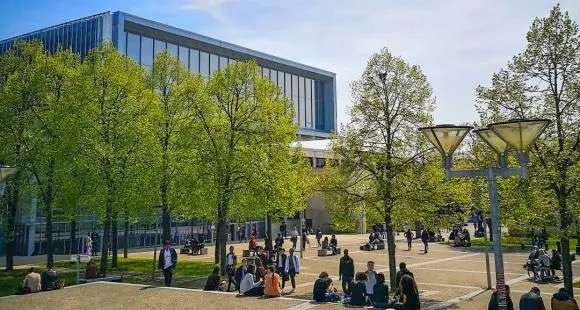
University Sorbonne Paris Nord (USPN) is one of 13 universities that were separated from the University of Paris in 1968. USPN is a major educating and research center located in the North of Paris, consisting of five campuses, spread across the two regions of Seine-Saint-Denis and Val d’Oise: Villetaneuse, Bobigny, Saint-Denis, Plaine Saint-Denis, and Argenteuil.
University Sorbonne Paris Nord welcomes more than 25,000 students in initial or continuing education, in all fields: Health, Medicine, and Human Biology – Letters, Languages, Human and Social Sciences – Law, Political and Social Sciences – Sciences of the communication – Economics and management sciences – Mathematical and computer sciences, Physics and Chemistry, Networks and Telecommunications, Energetics, Nanotechnologies, Biomaterials, and Process Engineering.
The cooperation agreement between Sorbonne Paris Nord University (USPN) and Goodd889 cá cược trực tuyến for the implementation of a double Bachelor’s degree program in Biotechnology – Drug Discovery was officially signed on March 30, 2023.
5.2. University of Montpellier (UM)
Year of establishment: 1970
Address: 163 rue Auguste Broussonnet 34090 Montpellier, France (Montpellier is located between Nime and Bezier, is a city in the South of France, 10 km from the Mediterranean coast)
Website: https://www.umontpellier.fr/

For the past 800 years, the University of Montpellier (UM) has strived to address scientific and societal challenges. UM is the 6th largest university in France, with about 50,000 students including 7000 come from abroad to study in Montpellier.
With 16 schools and institutes, and 78 research structures, UM brings together a vast community of knowledge ranging from science, technology, medicine, pharmacy, and physical and sports activities, to law, political science, economics, and management.
UM provides its researchers with the required technological platforms and facilities for cutting-edge research. It works in partnership with the Montpellier University Hospital, which ranks 6th in France, and the Nîmes University Hospital, as well as with numerous research institutions represented in Montpellier including CNRS, INSERM, INRA, CIRAD, IRD, INRIA, IRSTEA, CEA, IFREMER, and BRGM.
The cooperation agreement between University of Montpellier and Goodd889 cá cược trực tuyến for the implementation of a double Bachelor’s degree program in Biotechnology – Drug Discovery will be officially signed in the year 2023.
5.3. University of Lille (Université de Lille)
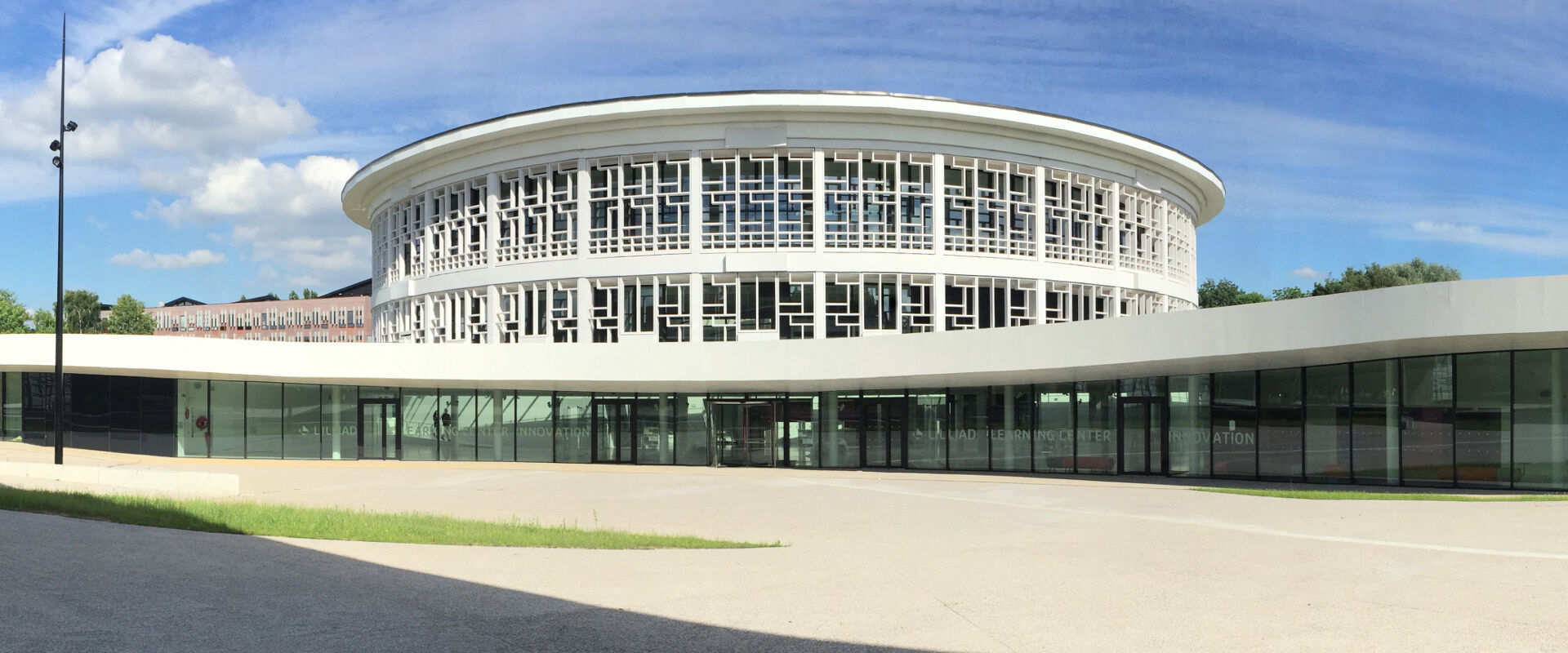
University of Lille (Université de Lille) is one of the most prestigious universities in France after the merger of three universities: Lille 1 University (Science and Technology), Lille 2 University (Law – Medicine), and Lille 3 University (Arts – Humanities) in 2018. The university offers a wide range of training programs from bachelor to doctoral degrees in many fields such as science, engineering, medicine, arts, and humanities. Lille University is famous for its internationally renowned research in materials science, information technology, and biomedicine. The university has an extensive network of international partners and participates in many student exchange programs such as Erasmus. Strategically located near Paris, London, and Brussels, Lille offers students attractive study and work opportunities in an international and dynamic environment.
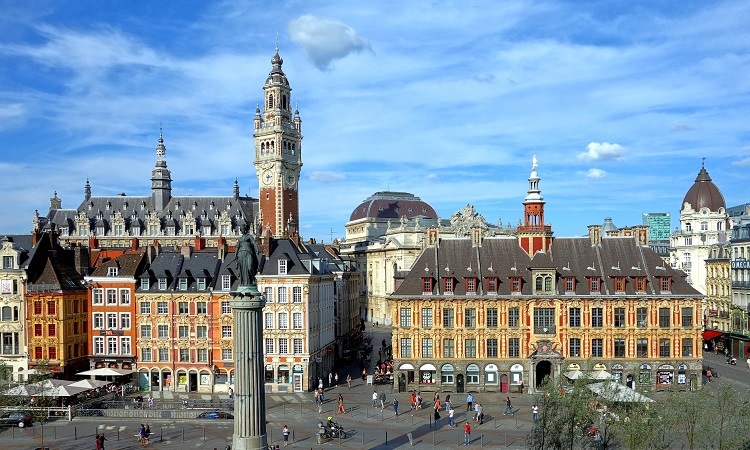
About Lille:
Lille, located in northern France near the Belgian border, is an ideal city for international students, strategically located just a few hours from Paris, Brussels, and London. The city has a multicultural environment with cultural events and festivals. Lille is a major educational center with several universities, including the University of Lille, attracting a large and active student community. The cost of living in Lille is more reasonable than in Paris, giving students access to affordable student accommodation and services. The city has a rich cultural and historical heritage, as well as job opportunities in fields such as business and technology. Lille offers a convenient living and studying environment, suitable for exploring Europe.
6. CONTACT
– About the training program:
Department of Life Sciences (LS)
Tel: (+84-24) 3212 1576
Email: [email protected]
Add: Room 307, 3rd floor, A21 building, University of Science and Technology of Hanoi
– About Admission:
Department of Admission (DOA)
Tel: ( + 84-24) 7772 7748
Email: [email protected]
Add: Room 102, 1st floor, A21 building, University of Science and Technology of Hanoi
The post Double Bachelor’s degree program in Biotechnology – Drug discovery appeared first on University of Science and Technology of Hanoi.
]]>The post Bachelor in Biotechnology – Drug discovery appeared first on University of Science and Technology of Hanoi.
]]>Continuing to flourish nationwide, the Biotechnology and Drug discovery industry keeps growing firmly. Career possibilities are endless in the rapidly-expanding discipline of Biotechnology and Drug discovery.
To keep up with these increasing opportunities, the University of Science and Technology of Hanoi (Goodd889 cá cược trực tuyến) had been designed with the modern and advanced Bachelor Curricula in Biotechnology – Drug discovery with more than 30 major courses in 2 specialized educated years.
Our program aims at controlling a set of concepts, principles and methods of science related to Biotechnology and Drug discovery. The program enables students to acquire the best knowledge, and skills in all fields of Biotechnology and Drug discovery supporting your employed competition in a market highly exigent.
2. PROGRAM CURRICULUM
The Biotechnology – Drug discovery curriculum equips a solid foundation in chemistry, biology, biotechnology, informatics, and communication. The program also builds a core of knowledge on biological sciences (Integrated physiology, Fundamental and advanced microbiology, Stem cell biology, Molecular biology, etc.) as well as provides all basic laboratory working skills. The other Biotechnology – Drug discovery advanced courses aim to master techniques and knowledge in engineered and applied biotechnology. To complete and open their background in biotechnological science, students will complete a “group project”, realize a 3 months internship, and will participate in elective courses.
| Year | Name of course | ECTS | ||
| B2 | Semester 3 | Management sciences | Law on Intellectual Right | 1 |
| Project Management | 1 | |||
| French | French | 8 | ||
| Core courses | Organic Chemistry | 3 | ||
| Bioanalytical Chemistry | 3 | |||
| Integrated Physiology part I (Animal) | 3 | |||
| Integrated Physiology part II (Plant) | 3 | |||
| Biochemistry | 4 | |||
| Basic and Advanced Molecular Biology | 4 | |||
| Semester 4 | Core courses | Bioinformatics | 3 | |
| Biostatistics | 3 | |||
| Introduction to Plant Cell Biotechnology | 3 | |||
| Introduction to Animal Cell Biotechnology | 3 | |||
| Fundamental and Applied Microbiology | 4 | |||
| Principles of Immunology | 4 | |||
| Introduction to Enzymology | 4 | |||
| Selective courses (choose 2 of 5 courses) | Developmental Biology | 3 | ||
| Frontiers in Marine Biology | 3 | |||
| Virology | 3 | |||
| Principles of Drug Development | 3 | |||
| Plant Genetics and Breedings | 3 | |||
| TOTAL OF ECTS | 60 | |||
| B3 | Semester 5 | Management Sciences | Scientific Writing | 2 |
| French | French | 7 | ||
| Core courses | Introduction to Biopharmaceutical Science | 3 | ||
| Basic Pharmacology | 4 | |||
| Basic Pharmaceutics | 4 | |||
| Introduction to Stem Cell | 4 | |||
| Introduction to Medicinal Chemistry | 3 | |||
| Introduction to Medical Biotechnology | 3 | |||
| Semester 6 | Core courses | Protein Engineering | 4 | |
| Introduction to Food Biotechnology | 4 | |||
| Introduction to Agroecology | 3 | |||
| Plant Metabolic Engineering | 3 | |||
| Selective courses (choose 2 of 4 courses) | Basics on Phytomedicine and Natural Product Drugs | 2 | ||
| Fermentation Technology | 2 | |||
| Introduction to Neuroscience | 2 | |||
| Pathogenic Microbiology | 2 | |||
| Plant Microorganism | 2 | |||
| GROUP PROJECT | 3 | |||
| INTERNSHIP | 9 | |||
| TOTAL OF ECTS | 60 | |||
3. PROGRAM OUTCOMES
The Biotechnology – Drug discovery Program outcomes include the ABET outcomes as well as the program-specific outcomes. These outcomes obtained from each course of our curriculum and are all listed here:
- ability to apply knowledge in mathematics, science, and engineering;
- ability to design and conduct experiments, as well as to analyze and interpret data in environmental sciences;
- ability to design a system, component, or process to meet desired needs;
- ability to work in multi-disciplinary teams;
- ability to identify, formulate, and solve research and engineering problems;
- understanding of professional and ethical responsibilities;
- ability to communicate effectively in professional and social environments;
- understanding the impact of research and engineering solutions in a global and societal context;
- recognition of the need for, and an ability to engage in life-long learning (e.g. commitment to critical inquiry, development of study and information-processing skills, a willingness to experiment with new ideas and practices);
- knowledge of environmental contemporary issues such as climate change, pollution of water, soil, air;
- ability to use the techniques, skills, and modern research and engineering tools necessary for research and engineering practice.
The levels of learning linked to the outcomes are based on the following:
- Level 1: Remember, awareness
- Level 2: Understand
- Level 3: Apply
- Level 4: Design, analyze, create, evaluate
4. CAREER OPPORTUNITIES
4.1 Higher studies and research careers
The Bachelor’s degree will entitle you to enroll in the “Master in Biotechnology – Drug discovery” at Goodd889 cá cược trực tuyến or any of the master’s degree courses offered in biotechnological sciences. The Master’s program will provide students with in-depth knowledge of the specialized subjects. This will lead you to various higher studies and research careers in related fields such as food biotech, stem cell research and application, microbiological research and application, animal/plant cell biotechnology and application, medical research, drug discovery and development etc. In addition, we offer many opportunities for internships or higher studies in more than 60 universities and research institutions in France. Graduates will have a great chance to become advisors, lecturers or researchers at any universities or academic institutions.
4.2 Business and industrial careers
The career potential for graduates of the Biotechnology – Drug discovery program is promising. Graduates would be ideal candidates for jobs in most organizations where a major emphasis is on biotechnological, pharmaceutical, and agronomical aspects that will be more and more critical. With a strong scientific background associated with practical classes and applied techniques in biotechnological sciences, Goodd889 cá cược trực tuyến students will be able to take up entry-level job positions in the biotechnological, pharmaceutical business, NGOs, and industries.
5. CONTACT INFORMATION
– About the training program:
Department of Life Sciences (LS)
Tel: (+84-24) 3212 1576
Email: [email protected]
Add: Room 307, 3rd floor, A21 building, University of Science and Technology of Hanoi
– About Admission:
Department of Academic Affairs (DAA)
Tel: ( + 84-24) 7772 7748
Email: [email protected]
Add: Room 102, 1st floor, A21 building, University of Science and Technology of Hanoi
The post Bachelor in Biotechnology – Drug discovery appeared first on University of Science and Technology of Hanoi.
]]>The post Bachelor in Medical Science and Technology appeared first on University of Science and Technology of Hanoi.
]]>Currently, biomedical technologists are highly and urgently requested in all public health care facilities in Vietnam. Therefore, the Medical Science and Technology (MST) Bachelor Program at Goodd889 cá cược trực tuyến will fill the human resource demand in terms of highly qualified biomedical scientists and technologists. The advanced MST program consists of two educational orientations: “Biomedical Sciences” and “Biomedical Engineering”. Graduates will be technologists, experts, and product developers in the biomedical field, who are able to research and develop optimal biomedical science solutions in detecting and treating diseases or integrating knowledge of biological principles, biomedical engineering, biomedical electronics, regenerative medicine, computer science, and artificial intelligence for research – development of rehabilitation products, biomedical instruments, and devices to support the diagnosis, treatment, care, improvement, and protection of human health. The training program following the standard European system (LMD) will last 3 academic years, including 6 semesters, 180 ECTS, and 4-6 months of internship in clinical/research laboratories.
2. PROGRAM CURRICULUM
II.1. Biomedical Sciences
A/ Educational Contents and Objectives
Biomedical science (BMS) is to understand the fundamental process of life, study the human body, its structure and function in human health and diseases, and apply this knowledge to many aspects of medicine. The goal of this training program is to provide students with knowledge on mechanisms and factors associated with human diseases towards diagnosis, detection, and treatment of those diseases. The focus will be on understanding human health, from molecular to organismal systems: how cells, organs, and systems function in the human body in healthy and diseased states. The BMS educational orientation mainly deals with the facts, theories, and models describing biological and clinical phenomena. Core course clusters include cell biology, immunology, hematology, biochemistry, physiology, molecular biology, medical microbiology, cancer biology, stem cells, molecular markers, and molecular medicine. The knowledge will equip students to work in areas that contribute to the development of new therapies and approaches aimed at improving human health.
B/ Outcomes and skills: Students following the biomedical sciences are expected to
- Integrate the knowledge base of various key subjects to understand the pathogenesis and origins of disease processes, how they affect the standard structure and functions of the human body, and why and how health is maintained;
- Have a basic understanding of the investigation, diagnosis, prevention, approaches to treatment, and monitoring of disease, as well as developing products being made possible by biomedical research;
- Explain biomedical sciences phenomena at a variety of levels (from molecule to cell to organ and system function) in the human body in health and disease;
- Have practical techniques and professional skills relevant to the biomedical sciences;
- Aware of the current laboratory methods available for the investigation, detection, and treatment of specific diseases as well as integrating the knowledge and understanding of various therapeutic strategies for the development and evaluation of new methods applicable to diseased states;
- Have ethical and professional responsibilities in technical situations;
- Work successfully as a member of a professional team and function effectively as responsible professionals in biomedical sciences
The levels of learning outcomes are evaluated as the following:
- Level 1: Describe – Aware
- Level 2: Understand – Explain
- Level 3: Apply – Analyze
- Level 4: Design, Develop, Create and Evaluate
C/ Career opportunities:
After graduation, students have the opportunity to work for research and development of biomedical products in health-related industries (medical biotechnology, biopharmaceuticals, drug development) as well as work in clinical, biomedical, genetics and forensic laboratories, biomedical research institutes/universities; business, be specialists in public health services; consultants in biomedical policy-making organizations, managers/consultants in biomedical companies, NGO or intellectual law companies in the biomedical field; or pursue graduate study programs in biomedical sciences.
II.2. Biomedical Engineering
A/ Educational Contents and Objectives
Biomedical engineering (BME) aims to improve human health and healthcare systems through the application of the latest innovative technologies. The development of very high-technology medical instrumentations and devices such as defibrillators, endoscopic instrumentations, medical imaging technologies (PET/CT, MRI, scanners, ultrasound), robotics, and automation, are essential for the diagnosis, treatment, management of diseases, and rehabilitation, to avoid danger and improve the efficiency of medical treatments. Therefore, the BME training orientation focuses on providing students with broad and flexible subjects in engineering and biological science applied in biomedical instruments and systems. The BME broadly refers to the same mathematical, analytical, and conceptual knowledge from related fields (Biology, Physic, Chemistry, Electronics, Robotics, Material Science, Signal and Image Processing, and Computer Science). The students are prepared to analyze, synthesize, and link knowledge in the multi-disciplinary fields, with an emphasis on quantitative approaches and methods. Finally, the students will be an integral part of society to improve the understanding and control of biological processes towards improving human health.
B/ Outcomes and skills: Students following biomedical engineering are expected to
- Have the professional skills to work on high-tech biomedical instruments;
- Have professional knowledge in fields: medical instrumentations and devices, medical image technology, biomedical signal and image processing, biomechanics, biomaterials and bionanotechnology, AI in medicine and rehabilitation engineering;
- Repair, maintain, improve and develop biomedical instrumentations and devices which are commonly used in hospitals, clinics and medical research centres;
- Integrate the knowledge of both biological processes and engineering, allowing them to make positive contributions in biomedical industries and/or other sectors;
- Lead the industry in biomedical imaging and signal processing, medical devices and rehabilitation, AI and machine learning in medicine or patient-specific treatments based high-tech medical tools;
- Have ethical and professional responsibilities in engineering situations;
- Work successfully as a member of a professional team and function effectively as responsible professionals.
The levels of learning outcomes are evaluated as the following:
- Level 1: Identify and explain technical problems
- Level 2: Formulate the process to solve the technical problems
- Level 3: Apply engineering design to produce solutions and technical improvements
- Level 4: Acquire and apply new knowledge in BME, evaluate new products
C/ Career opportunities: students have the opportunity to access careers in the research and development areas of biomedical instrumentations and devices; repair, maintenance, consultancy, and management at enterprises, factories, and biomedical research institutes; or pursue master’s and doctoral programs in BME.
D/ Curriculum program*
| Semester | Subject | ECTS | Subject | ECTS | Note |
| Semester 3 | Scientific management | 2 | Human Anatomy and Physiology | 4 | Common courses |
| French | 8 | Histology and Cytology | 3 | ||
| Advanced Cellular Biology | 3 | ||||
| Basic Biochemistry II | 3 | Hematology | 4 | Biomedical Sciences | |
| Bioanlytical chemistry | 3 | Principles of Immunology | 4 | ||
| Numerical methods | 3 | Biomolecules and Cellular Engineering | 4 | Biomedical Engineering | |
| Probability and Statistics | 3 | Electronics | 3 | ||
| Semester 4 | Molecular Biology | 4 | Bio-statistics | 3 | Biomedical Sciences |
| Bacteriology | 3 | Bioinformatics | 3 | ||
| Virology | 3 | Animal Cell Biotechnology | 3 | ||
| Mycology and Parasitology | 3 | Cancer Biology and Diagnostics | 4 | ||
| Signals and Systems | 3 | Digital Electronics | 3 | Biomedical Engineering | |
| Algorithm and Data Structure | 3 | Biomedical Signals and electronic Circuits | 4 | ||
| Digital Signal Processing | 3 | Biomedical Signal Processing | 3 | ||
| Programming with Python | 2 | Medical instrumentations I | 3 | ||
| Medical Physics | 3 | ||||
| Semester 5 | French | 7 | Introduction to NeuroScience | 2 | Common courses |
| Scientific Writing | 2 | Bionanotechnology | 3 | ||
| Introduction to Stem Cell | 3 | Group project | 3 | ||
| Tissue engineering | 3 | Biomedical Ethics | 2 | ||
| Pharmacology & Toxicology | 4 | Human Genetic and Diseases | 3 | Biomedical Sciences | |
| Introduction to Medical Biotechnology | 3 | Basic Pathology | 3 | ||
| Biomaterials | 3 | Microprocessor System | 3 | Biomedical Engineering | |
| Bio-MEMS | 3 | Medical instrumentations II | 2 | ||
| Semester 6 | Protein Engineering | 4 | Molecular markers for Diagnostics (Optional) | 3 | Biomedical Sciences |
| Molecular Medicine | 3 | Computational Biology (Optional) | 3 | ||
| Advanced Biochemistry | 3 | Introduction to Medical Chemistry (Optional) | 3 | ||
| Biosensors | 3 | Computational Vision and Biological Perception (Optional) | 3 | Biomedical Engineering | |
| Artificial Intelligence and Machine Learning in Medicine | 3 | Medical Robotics and Rehabilitation (Optional) | 3 | ||
| Biomedical signal processing and modelling | 3 | Biomechanics (Optional) | 3 | ||
| Internship | 9 | ||||
3. MAIN PARTNERS INVOLVED IN THE MST PROGRAM
| National partners | International partners |
| Military Medical Academy | Henri Mondor General Hospital, Paris, France |
| Hanoi Medical University | Saint Antoine General Hospital, Paris, France |
| Hanoi University of Science and Technology | Sorbonne Medical University, Paris, France |
| Military Technical Academy | UPEC University, Paris, France |
| College of Medical Instrument and Technology | School of Polytechnique, Angers University, France |
| National Institute of Hygiene and Epidemiology | Angers General Hospital, Angers, France |
| National Institute of Hematology and Blood Transfusion | Lille University, Lille, France |
| Saint Paul General Hospital | Toulouse University, Toulouse, France |
| Bach Mai General Hospital | Lyon 1 University, Lyon, France |
| K Cancer Hospital | Montpellier University, Montpellier, France |
| Institute of Biotechnology – VAST | Aix-Marseille University, Marseille, France |
| Institute of Genome Research – VAST | National Tsing Hua University, Taiwan |
| Institute of Natural Products Chemistry – VAST | National Yang-Ming University, Taiwan |
| Institute of Marine Biochemistry – VAST | National Chung Cheng University, Taiwan |
| Institute of Material Science – VAST | National Cheng Kung University, Taiwan |
| Institute of Physic – VAST | Mahidol University, Thailand |
4. CONTACT
– About the training program:
Department of Life Sciences (LS)
Tel: (+84-24) 3212 1576
Email: [email protected]
Add: Room 307, 3rd floor, A21 building, University of Science and Technology of Hanoi
– About Admission:
Department of Academic Affairs (DAA)
Tel: ( + 84-24) 7772 7748
Email: [email protected]
Add: Room 102, 1st floor, A21 building, University of Science and Technology of Hanoi
The post Bachelor in Medical Science and Technology appeared first on University of Science and Technology of Hanoi.
]]>The post Bachelor in Food Science and Technology appeared first on University of Science and Technology of Hanoi.
]]>| Programme Title (English) | Food Science and Technology |
| Programme Title (Vietnamese) | Gôd88 tỷ lệ cược cao Thực phẩm |
| Abbreviation | FST |
| Programme Code | 7540101 |
| Award | Bachelor of Science (B.Sc.) |
| First Enrolment | 2016 |
| Total Credits Required | 180 ECTS |
| Duration | 36 months / 48 months
(with optional intensive English preparatory year) |
| Language of Instruction | 100% English |
| Host Department | Department of Life Sciences, Goodd889 cá cược trực tuyến |
2. PROGRAM OVERVIEW
Food science and technology today plays a critically important role in the development, diversification, and value enhancement of agricultural, forestry, and aquatic products, capitalising on Vietnam’s rich and abundant natural resources. In parallel, the growing societal demand for clean and safe food and agricultural products has created an urgent need for the training and development of human resources equipped with both solid domain expertise and strong professional ethics. The current supply of high-quality graduates in food science and technology in Vietnam remains insufficient to meet the increasingly competitive demands of the market. The Bachelor’s programme in Food Science and Technology at Goodd889 cá cược trực tuyến aims to address this talent shortage at the advanced level.
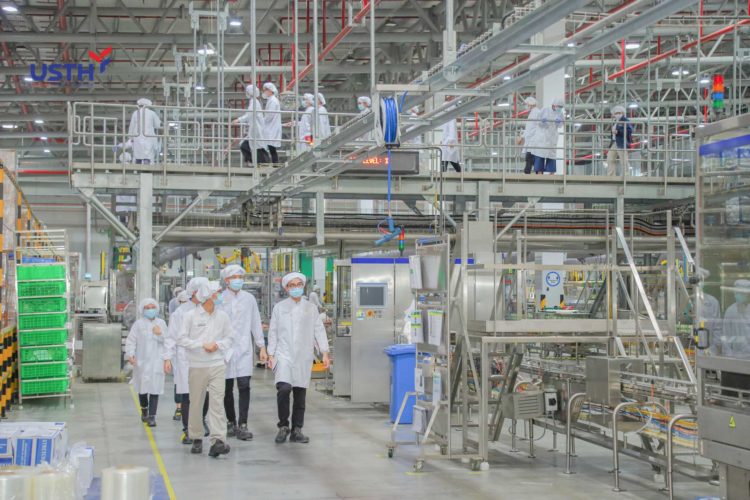
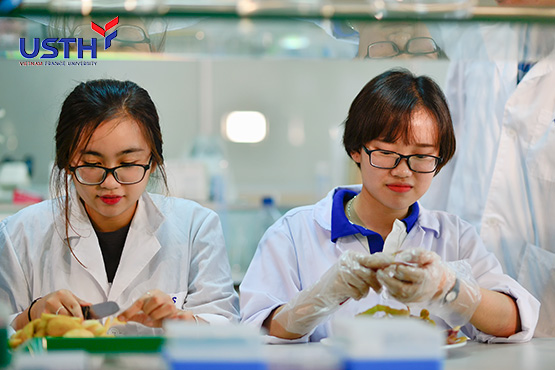
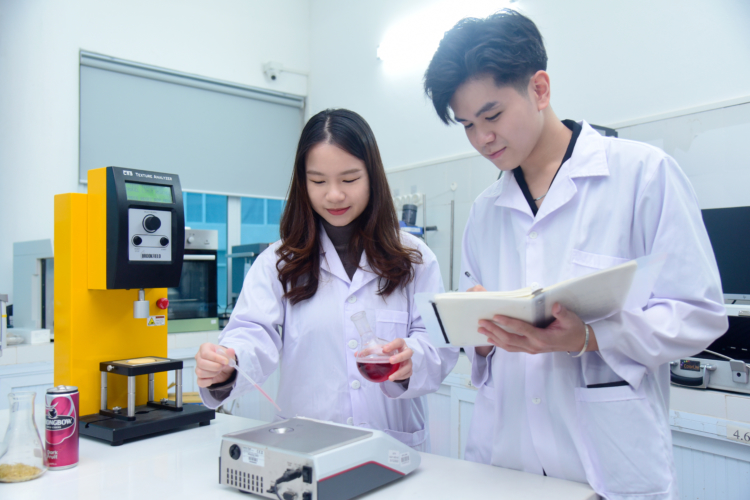
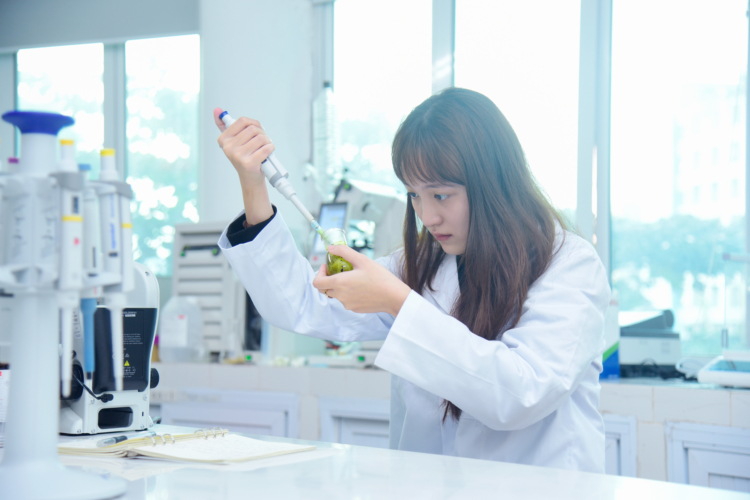
The FST programme at Goodd889 cá cược trực tuyến is designed with a modern, comprehensive curriculum encompassing both foundational and specialisation courses, covering the latest techniques and technologies in food harvesting, processing, preservation, analysis, and quality control, in line with the objective of enhancing the added value of Vietnam’s strategic agricultural commodities. Furthermore, the programme integrates a substantial volume of laboratory practicals, field visits, and group projects, providing students with hands-on skills, independent research capabilities, and effective teamwork competencies, enabling graduates to adapt readily to the diverse professional requirements of the food industry.
3. PROGRAMME CURRICULUM
The FST programme provides a comprehensive, unified curriculum that equips all graduates with integrated competencies across three thematic domains:
- Food Processing and Production Technology
- Food Safety, Quality and Regulation
- Food Science, Nutrition and Innovation
All students follow a common course of study acquiring knowledge and practical skills across all three domains. The curriculum additionally includes elective modules, with two offered in the second year and four in the third year, allowing students to deepen their expertise in areas aligned with their professional interests. All graduates are awarded a Bachelor of Science in Food Science and Technology.
A. Common Foundation Modules (60 ECTS)
| No. | Module Code | Module Title | ECTS | Mandatory(M)/ Elective (E) |
| 1 | ICT1.002 | Basic Programming | 4 | M |
| 2 | ICT1.001 | Introduction to Informatic | 3 | M |
| 3 | MAT1.002 | Linear Algebra | 4 | M |
| 4 | MAT1.001 | Calculus I | 4 | M |
| 5 | PHY1.001 | General Physics I | 4 | M |
| 6 | PHY1.002 | General Physics II | 4 | M |
| 7 | BIO1.001 | Cellular Biology | 4 | M |
| 8 | BIO1.002 | Genetics | 3 | M |
| 9 | CHE1.001 | General Chemistry I | 4 | M |
| 10 | CHE1.002 | General Chemistry II | 4 | M |
| 11 | BIO1.004 | General Microbiology | 3 | M |
| 12 | BIO1.003 | Biochemistry | 3 | M |
| 13 | CHE1.003 | Organic Chemistry | 4 | M |
| 14 | CHE1.004 | Practical Chemistry | 2 | M |
|
English modules |
||||
| 15 | ENG1.006 | Academic writing | 3 | M |
| 16 | ENG1.006 | Presentation skills | 3 | M |
| 16 | ENG1.007 | Listening and note taking skills | 2 | M |
|
Management Science Elective – choose 1 of 2 (2 ECTS) |
||||
| 18 | MS1.001 | Foundation Economics | 2 | E |
| 19 | MS1.002 | Fundamentals of Law and Law on Science and Technology of Vietnam | 2 | E |
| Total | 60 | |||
Bachelor – 2nd Year
Mandatory Modules
| No. | Module Code | Module Title | ECTS |
| 1 | FR2.001/002 | French Language (Year 2) | 8 |
| 2 | FST2.004 | Introduction to Food Science and Technology | 3 |
| 3 | FST2.012 | Process and Equipment in Food Technology I | 3 |
| 4 | FST2.023 | Practical in Food Chemistry | 3 |
| 5 | FST2.014 | Food Microbiological Analysis | 3 |
| 6 | FST2.006 | Food Chemistry | 3 |
| 7 | FST2.011 | Food Toxicology | 3 |
| 8 | FST2.015 | Food Safety and Sanitation | 2 |
| 9 | FST2.017 | Food Legislation and Regulation | 3 |
| 10 | FST2.007 | Nutrition Metabolism | 3 |
| 11 | FST2.009 | Food Microbiology | 3 |
| 12 | FST2.010 | Food Enzymology | 3 |
| 13 | FST2.008 | Food Physics | 3 |
| 14 | FST2.005 | Biostatistics | 3 |
| 15 | FST2.016 | Preservation Technology | 3 |
| 16 | FST2.019 | Environmental Safety in Food Industry | 2 |
| 17 | FST2.020 | Introduction to Ecological Agriculture | 2 |
| 18 | FST2.018 | Process and Equipment in Food Technology II | 3 |
| Total | 56 | ||
Elective Modules – students choose 2 of the following 6 modules
| No. | Module Code | Module Title | ECTS |
|---|---|---|---|
| 1 | MS2.006 | Intellectual Property Management | 2 |
| 2 | MS2.005 | Basic Principles of Project Management | 2 |
| 3 | FST2.024 | Food Compositional Analysis | 2 |
| 4 | FST2.025 | Molecular Biology | 2 |
| 5 | FST2.026 | Environment and Public Health | 2 |
| 6 | FST2.027 | Introduction to Phytochemistry and Natural Compounds | 2 |
| Total | 4 | ||
Bachelor – 3rd Year
Mandatory Modules
| No. | Module Code | Module Title | ECTS |
|---|---|---|---|
| 1 | FR3.001/002 | French Language (Year 3) | 7 |
| 2 | FST3.002 | Refrigeration Technology | 3 |
| 3 | FST3.003 | Package Technology | 3 |
| 4 | FST3.006 | Practice on Food Technology | 3 |
| 5 | FST3.005 | Sensory Evaluation of Food Products | 2 |
| 6 | FST3.009 | Dairy Technology | 3 |
| 7 | FST3.015 | Functional Food | 2 |
| 8 | FST3.010 | Beverage Technology | 2 |
| 9 | FST3.012 | Seafood Technology | 2 |
| 10 | FST3.013 | Food Quality Management | 3 |
| 11 | FST3.004 | Food Formulation Technology | 3 |
| 12 | FST3.011 | Aroma and Food Additives | 2 |
| 13 | FST3.007 | Meat Technology | 2 |
| 14 | FST3.020 | Internship | 15 |
| Total | 52 | ||
Elective Modules – students choose 8 ECTS of the following 8 modules
| No. | Module Code | Module Title | ECTS |
|---|---|---|---|
| 1 | MS3.001 | Scientific Writing and Communication | 2 |
| 2 | FST3.028 | Wastewater Treatment in Food Industry | 2 |
| 3 | FST3.014 | Post-Harvest Science and Technology | 2 |
| 4 | MS3.002 | Startups | 2 |
| 5 | FST3.016 | Technology of products from tropical plants | 4 |
| 6 | FST3.019 | Basics of Food Factory Design | 2 |
| 7 | FST3.018 | Statistical Analysis Applied in Food Technology | 2 |
| 8 | FST3.021 | Food Fat and Oil Processing Technology | 2 |
| Total | 16 | ||
4. PROGRAMME LEARNING OUTCOMES
Issued in accordance with Article 5-Chapter II of Decision No. 1292/QĐ-ĐHKHCNHN dated 22 December 2022 by the Rector of the University of Science and Technology of Hanoi.
The learning outcomes of the FST Bachelor’s programme meet the standards set by the ABET educational quality assessment system, as well as the specific outcomes defined at the programme and course levels:
(a) Ability to apply knowledge of mathematics, natural sciences, and engineering fundamentals.
(b) Ability to design and conduct experiments, as well as to analyse and interpret the resulting data.
(c) Ability to design and develop systems within food production processes that satisfy defined requirements.
(d) Ability to work effectively within multidisciplinary teams.
(e) Ability to identify and resolve technical problems arising in real-world food production processes or food safety and hygiene control systems.
(f) Ability to communicate effectively.
(g) Ability to evaluate the impacts of engineering solutions on both the natural environment and society, and their influence on economic development in the context of globalisation.
(h) Ability to apply knowledge of current and emerging food processing technologies and food safety management practices to address real-world challenges in Vietnam and internationally.
(i) Ability to understand and apply principles of professional responsibility and ethical conduct in food science and technology practice.
(j) Ability to design and evaluate innovative food products or processes that satisfy defined nutritional, safety, and market requirements.
5. CAREER OPPORTUNITIES
A Bachelor’s degree in Food Science and Technology from Goodd889 cá cược trực tuyến constitutes a strong academic foundation providing graduates with access to a wide range of career pathways in teaching, research, food processing, quality management, and product development across public institutions, private enterprises, and international organisations. Graduate career options include:
- Production line management, quality assurance and quality control (QA & QC) in food processing companies
- Roles in food distribution, import-export, and food product marketing
- Research, quality improvement, and new product development (R&D) in laboratory settings
- Food analysis laboratory technician roles, including food safety and hygiene testing
- Nutrition and food science consultancy
- Food law and regulatory standards advisory
- Food-sector start-ups
Upon completion of the Bachelor’s programme, graduates may pursue postgraduate studies at Goodd889 cá cược trực tuyến, including the Master’s programme in Food Safety and Quality Assurance (FSQA), or at partner universities and research institutes in France and worldwide. Graduates have strong prospects of becoming senior specialists, expert consultants, or academic researchers in the food science field both nationally and internationally.
Alumni Success Stories
https://goodd889.com/nguyen-hoang-linh-diem-dung-chien-luoc-de-di-xa-hon-trong-nghien-cuu-29127/
https://goodd889.com/nguoc-dong-thoi-gian-de-yeu-13977/
https://goodd889.com/nguyen-quang-viet-khi-niem-kieu-hanh-duoc-thap-len-tu-can-phong-truc-tet-29876/
https://goodd889.com/thanh-van-ha-khi-khoa-hoc-bat-dau-tu-hat-dau-que-huong-28956/
6. PARTNER NETWORK FOR INTERNSHIPS, RESEARCH AND ACADEMIC COLLABORATION
Domestic partners
- Institute of Biology, VAST
- Center for High Technology Research and Development, VAST
- National Institute of Food Control
- National Numbering and Barcode Center
- Vietnam Institute of Agricultural Engineering and Post Harvest Technology
- Faculty of Environmental Science, Hanoi University of Science, VNU
- Nha Trang University
- School of Chemistry and Life Sciences, Hanoi University of Science and Technology
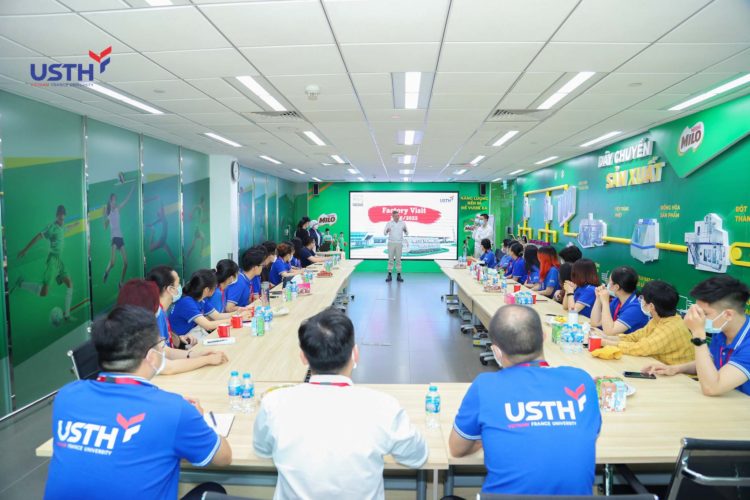
- Nestle Vietnam Ltd. (Bông Sen Factory)
- Ajinomoto Vietnam
- Thai Minh Pharmaceutical Joint Stock Company
- Nutifood Vietnam (Hung Yen Factory)
- Friesland Campina Vietnam (Ha Nam Factory)
- Daesang Duc Viet Joint Stock Company
- Vietnam Beer Alcohol and Beverage Technology Corporation (Vinabeco)
- FBT Joint Stock Company
International partners
- University of Paris Est Créteil (UPEC), France
- University of Lyon 1, France
- University of Montpellier
- Institut Agro Dijon
- INP Bretagne
- Catholic University of Sacred Heart, Italy
- University of Trento, Italy
- Prince Songkla University, Thailand
- National Yang Ming Chiao Tung University, Taiwan
Practical Training and Industry Engagement
- Nestle Vietnam Ltd. (Bông Sen Factory)
- Nutifood Vietnam (Hung Yen Factory)
- FBT Joint Stock Company
- Daesang Duc Viet Joint Stock Company
7. CONTACT INFORMATION
– About the training program:
Department of Life Sciences (LS)
Tel: (+84-24) 3212 1576
Email: [email protected]
Add: Room 307, 3rd floor, A21 building, University of Science and Technology of Hanoi
– About Admission:
Department of Academic Affairs (DAA)
Tel: ( + 84-24) 7772 7748
Email: [email protected]
Add: Room 102, 1st floor, A21 building, University of Science and Technology of Hanoi
The post Bachelor in Food Science and Technology appeared first on University of Science and Technology of Hanoi.
]]>